The concept of AI-based smart home solutions emphasizes integration between modern technologies like KNX and IoT, working together to provide a smarter, more efficient, and comfortable living environment. This gives users better control, resource optimization, and improved quality of life.

What is AI Synchronization?
AI synchronization is a technological approach referring to the coordination and harmonization of different systems, devices, and processes through artificial intelligence. It includes the creation of an integrated and intelligent ecosystem in which AI manages and synchronizes various components to achieve optimal efficiency, comfort, and security.
1. Interoperability
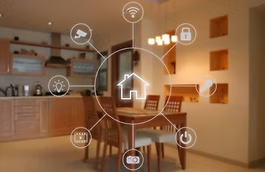
AI synchronization ensures connectivity and communication between different devices and systems that may come from different manufacturers and use different protocols. For example:
- Integration of devices using standards like KNX and IoT.
- Smart assistants (like Amazon Alexa, Google Assistant) interact with smart thermostats, lighting systems, and security.
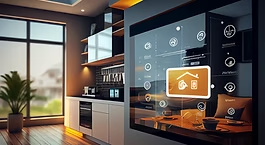
2. Automation
AI synchronization enables the automation of routine tasks and processes without human intervention. This includes:
- Automatic temperature regulation across home zones based on user preferences and presence.
- Automatic switching on/off of lighting depending on time of day and room occupancy.
3. Optimization
AI synchronization optimizes the operation of systems and devices to achieve maximum efficiency and resource savings. This includes:
- Energy consumption optimization via intelligent device and system control.
- Load management on the electrical network to avoid overloads and reduce costs.
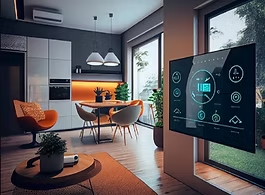
4. Personalization
AI synchronization enables the creation of personalized user experiences by adapting to their preferences and habits. This includes:
- Personalized music playlists and movie/TV show suggestions.
- Customized schedules for devices based on user preferences.
5. Security and Safety
AI synchronization enhances safety in smart homes through:
- Integration of monitoring and alarm systems for better protection.
- Automatic door locking and alerts when detecting intrusions or unusual activity.
6. Domestic Robotics
AI-powered home robots can:
- Help with cleaning and maintenance.
- Perform specific household tasks like vacuuming or pool cleaning.
- Use sensors and object recognition for navigation and task execution.
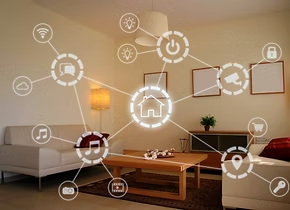
Smart Home
AI synchronization in smart homes involves coordination of various home systems and devices to ensure convenience and efficiency.
For example:
- A voice assistant can control lighting, temperature, and home security through integration with different smart devices.
- A home entertainment system can synchronize music in different rooms and adapt the sound based on people’s presence.
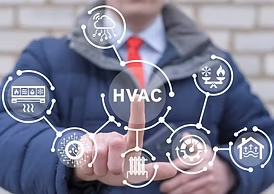
Intelligent Buildings
In intelligent buildings, AI synchronization ensures coordination of different systems for building management, such as:
- Energy management through intelligent systems for heating, ventilation, and air conditioning – HVAC.
- Lighting and security control, including cameras for monitoring and access control systems.
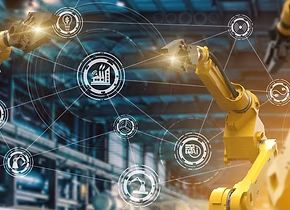
Industrial Automation
In industrial automation, AI synchronization coordinates the work of various machines and systems to achieve maximum efficiency and productivity.
For example:
- Robots and machines work together on the production line to optimize the manufacturing process.
- Monitoring and control systems collect real-time data and use AI for predictive maintenance and operational optimization.
Preferred Manufacturers