Managing the Future. Smart Solutions.
You Can Count on Us!
Think the future can’t be managed?
There are now technological and reliable solutions—not just for smart homes, but for the homes of the future. We bring you the full power of technology in one intelligent solution.
A place where innovation meets comfort and the skills to manage the future.
What Are the Homes of the Future?
The transition from modern homes to homes of the future is a process that encompasses multiple aspects of everyday living—comfort, energy efficiency, energy management, security, communication, and health. Here are a few key areas where this transformation takes place:
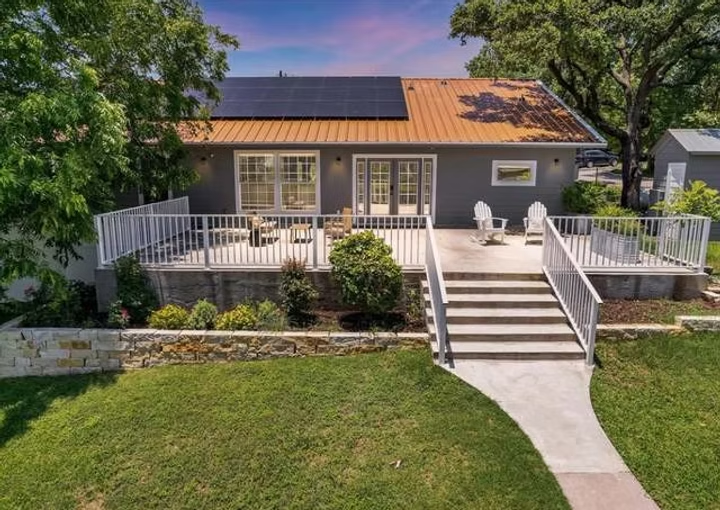
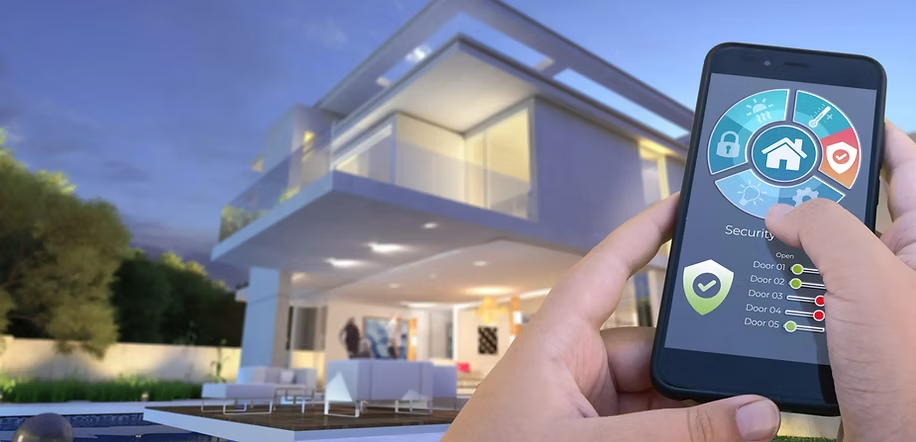
- Smart Technologies and the Internet of Things (IoT):
Homes of the future are defined by the integration of smart technologies and seamless connectivity between devices. Smart home features such as thermostats, lighting, appliances, locking systems, drones, and various home robots (robotization) can all be controlled via smartphones or voice assistants. This not only simplifies daily tasks for homeowners but also increases comfort and energy efficiency. - Sustainability and Energy Efficiency:
Future homes aim to maximize energy efficiency and reduce carbon emissions. This includes advanced insulation, solar panels for electricity generation, intelligent energy management systems, energy-efficient appliances, and other smart energy technologies. - Health and Wellness:
Future homes also prioritize the health and well-being of their residents. This may include integrated air filtration systems, humidity control, lighting that adjusts to the body’s circadian rhythm, and even virtual systems for stress management and relaxation. - Security and Protection:
A key component of the home of the future is safety—both for the inhabitants and their property. Smart surveillance and monitoring systems, automated fire and intrusion detection, biometric access controls, and robotic security solutions all contribute to a safer living environment.
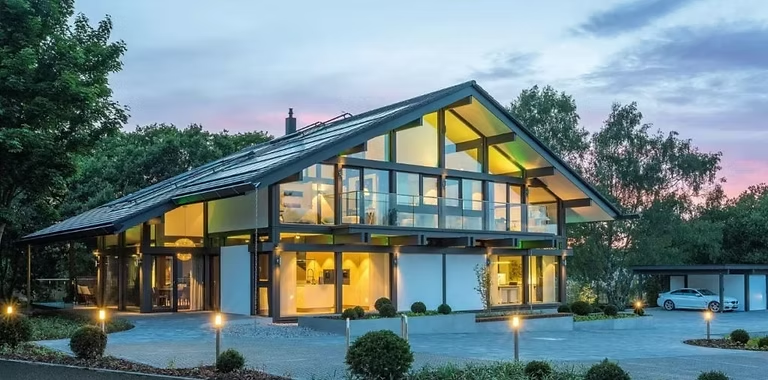
The transition to homes of the future is a complex and ongoing process that involves technological innovation, shifts in lifestyle habits and human perceptions, as well as regulatory and infrastructural changes. It is aimed at creating smarter, more sustainable, and more comfortable living spaces that enhance people’s lives and overall well-being.
What Are the Next-Generation Standards for Quality of Life?
Next-generation quality of life standards cover various aspects of human life and society as a whole. Here are some of the key areas where these standards are expected to emerge:
- Sustainability and Environmental Friendliness: Next-generation quality of life standards involve higher standards for sustainable resource use, reducing carbon emissions, protecting the environment, and supporting ecological restoration. This may include shifts in consumption patterns, technological innovations in energy production and usage, as well as regulatory measures to encourage sustainable practices.
- Smart Cities and Infrastructure: These standards include the development of smart and intelligent urban areas and infrastructure. This involves the use of sensor technologies, the Internet of Things (IoT), artificial intelligence, and data analytics to improve the efficiency of city services, transportation systems, waste management, and other aspects of urban life.
- Health and Well-being: Next-generation quality of life standards also encompass improvements in health and human well-being. This includes the development of innovative technologies and healthcare services such as telemedicine, personalized treatments, wearable health monitoring devices, and others that enable better prevention, diagnosis, and treatment of diseases.
- Education and Development: These standards focus on education and personal development. They include promoting lifelong learning, developing skills for working with new technologies, improving access to education, and enhancing workforce qualifications.
These are just some of the areas in which next-generation standards are expected to emerge—contributing to improved quality of life for individuals and greater sustainability for society as a whole.
Solutions
Interoperability (to attain interoperability):
The ability of a system or product to work with other systems or products without requiring additional action from the user.
The term interoperability, as defined by ISO TC 211, means:
- The ability to locate information and applications when needed, regardless of where they are physically located.
- The ability to implement and use the located information and applications, regardless of the supporting platform.
Technological Connectivity Between the KNX Standard and the IoT Concept
Gateways
Gateways play a key role in connecting KNX systems to IoT platforms. They enable data exchange between KNX devices and IoT services by translating communication protocols from KNX to those used in IoT (e.g., MQTT, HTTP, CoAP).
Examples:
- KNX IoT Gateway: A gateway that enables integration between KNX devices and IoT platforms such as Amazon Web Services (AWS) or Microsoft Azure.
- KNX IP Interface: A device that translates KNX messages into IP-based messages, facilitating communication with IoT services.
Cloud Platforms
IoT cloud platforms can be used to manage and monitor KNX systems. Through cloud services, users can remotely control their KNX devices and analyze data in real time.
Schneider Electric, EcoStruxure™:
EcoStruxure™ is Schneider Electric’s leading platform for IoT and cloud connectivity, providing integration and optimization of energy and building systems.

Schneider Electric, StruxureWare™:
StruxureWare™ is a suite of software applications designed for managing energy and automation systems.
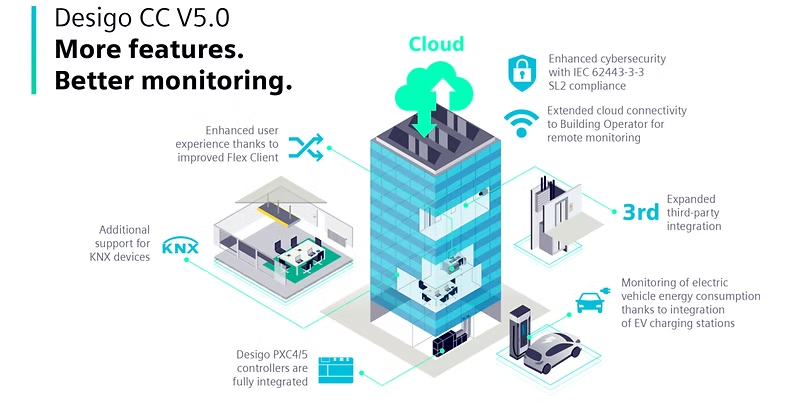
Siemens Desigo CC:
A cloud platform that integrates KNX devices and provides centralized management and data analysis.
Bosch IoT Suite:
A platform that supports integration with KNX systems for building management.

Husqvarna Fleet Services™:
Husqvarna Fleet Services™ is a cloud platform for managing fleets of equipment and machinery offered by Husqvarna.
Husqvarna Automower® Connect:
Automower® Connect is a solution for managing robotic lawnmowers, offering remote control and monitoring via a cloud platform.
Applications and Software
Mobile and desktop applications can be developed for the control and monitoring of KNX systems via IoT technologies. These apps allow users to manage lighting, climate control, security, and other systems in their homes and offices.
Examples:
- KNX Secure App: An application for managing KNX devices via smartphone or tablet, ensuring secure communication.
- Home Assistant: An open-source home automation software that can integrate with KNX systems.
Protocols and Standards
Various protocols and standards facilitate communication between KNX and IoT devices. The KNX IoT specification, for example, defines how KNX devices can interact with IoT ecosystems.
Examples:
- KNX IoT Specification: A standard that defines how KNX devices communicate with IoT platforms via IP-based networks.
- BACnet/KNX Integration: A protocol for integrating KNX with BACnet, widely used in building automation and IoT.
RIoT (Revolutionizing the Internet of Things)
RIoT refers to the transformational impact and innovative approaches in the Internet of Things (IoT) field. It involves the development and implementation of advanced technologies, platforms, and applications that significantly enhance the connectivity, intelligence, and automation of various devices and systems.
RIoT aims to optimize and expand the capabilities of IoT by integrating Artificial Intelligence (AI), Machine Learning (ML), and Big Data to create smarter, more efficient, and adaptive networks and environments. This concept is focused on improving everyday life, industrial processes, and urban infrastructure through more effective resource management, enhanced security, and personalized services.
Preferred Manufacturers