
You can count on us!
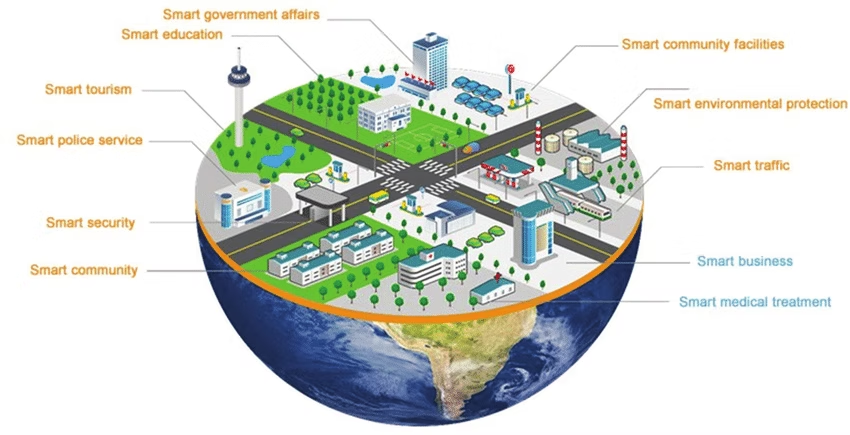
Smart cities and residential complexes represent the future of urbanization, where technology plays a key role in creating more efficient, sustainable, and livable environments. They enhance quality of life, improve the efficiency of urban operations and services, and boost competitiveness—while ensuring they meet the needs of current and future generations in economic, social, and environmental terms.
What is a Smart City?
A smart city is “a city that uses information and communication technologies to improve operational efficiency, share information with the public, and provide a better quality of public services and citizen welfare” (Smart Cities Council). This vision emphasizes the importance of smart technologies in connecting physical infrastructure, social infrastructure, and business infrastructure to enhance sustainability, efficiency, and quality of life in the city.
Smart City Features
- Infrastructure: Includes smart buildings, smart roads, and transportation systems that use data and sensors to optimize functionality and reduce costs.
- Energy Management: Systems that optimize energy consumption in buildings and street lighting through smart grids and renewable energy sources.
- Waste Management: Smart waste bins that notify when they’re full and optimize waste collection routes.
- Water Supply and Sewerage: Systems for monitoring and managing water supply and wastewater, reducing water loss and improving water quality.
- Transport: Intelligent transport systems including public transport, shared bicycles, and cars, as well as real-time traffic management.
- Security: Video surveillance, monitoring, and crime prevention systems, along with emergency services that respond faster and more effectively.
Smart Residential Complexes
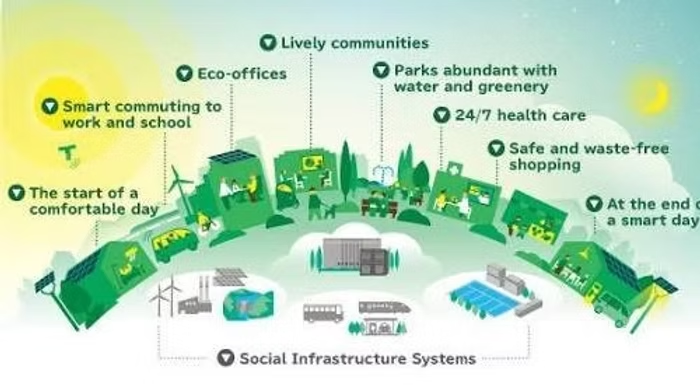
- Building Automation Systems: Include control of lighting, heating, ventilation, and air conditioning (HVAC), security, and communications.
- Smart Homes: Equipped with smart devices such as intelligent thermostats, lighting, alarm systems, and household appliances that can be controlled remotely via smartphones or other devices.
- Energy Efficiency: Use of solar panels, energy-saving appliances, and energy management systems that reduce consumption and costs.
- Communities: Creating spaces for socializing and community activities, such as shared gardens, fitness rooms, and events for residents.
Best Practices for Smart Cities and Zones
- Barcelona, Spain: The city uses sensors to manage street lighting, park irrigation systems, and smart parking solutions.
- Singapore: Known for its integrated approach to urban management through data use and technologies that optimize transport systems and energy efficiency.
- Copenhagen, Denmark: One of Europe’s leading smart cities, with a focus on sustainability and green energy, using innovative solutions for traffic and energy management.
- Songdo, South Korea: The entire city was designed and built with smart technologies from the ground up, including sensors for managing energy, waste, and transport.