
You can count on us!
Smart healthcare and assistance, as well as treatment in specialized medical institutions – doctors’ offices, clinics, and hospitals – represent innovation in healthcare management. It combines the latest technologies to create a more efficient, safe, and comfortable environment for patients and medical professionals. With the integration of KNX standards, IoT, and AI, smart hospital treatment can ensure better care, optimize resources, and improve the overall quality of healthcare.
What is a Smart Hospital?
A smart home is a residence equipped with cutting-edge technologies and next-generation systems that fully automate and integrate various aspects of the living environment. The goal is to improve comfort, security, energy efficiency, and overall quality of life.
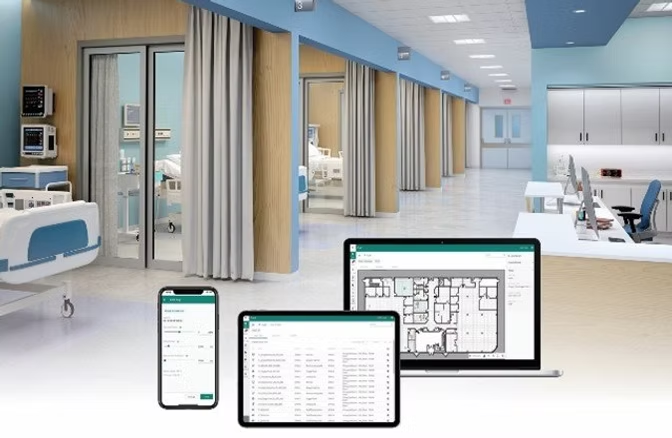
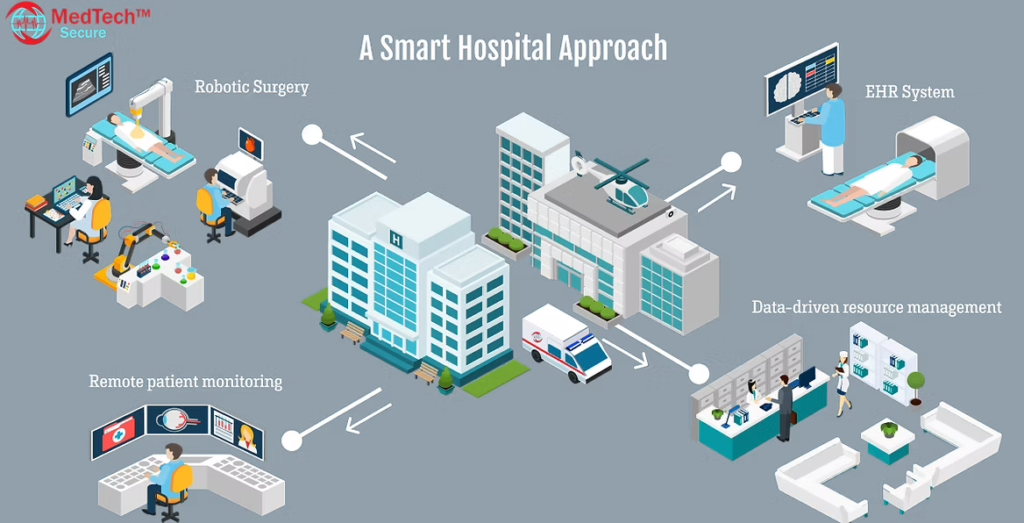
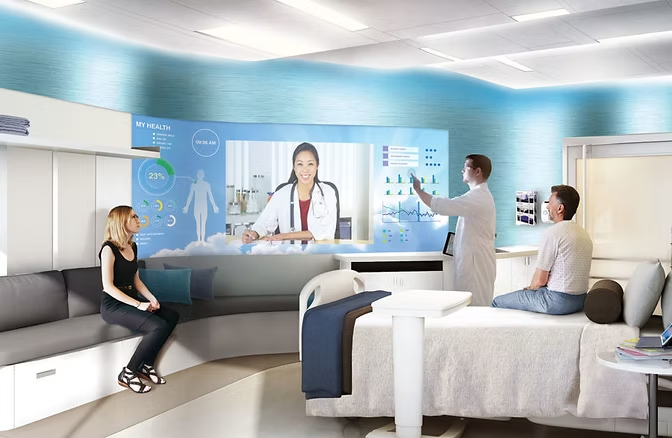
Combining the KNX standard, IoT, and AI provides powerful tools for automation and management in medical environments. Best practices include integrated solutions that ensure energy efficiency, safety, effective management of medical devices, and optimization of workflows. These technologies help create more intelligent and connected medical environments that improve the quality of care and operational efficiency.
1. Integrated Automation
1.1. Lighting and Climate Control
- Automation Systems: Use of KNX standards for automated control of lighting and air conditioning depending on patient and staff needs.
- Energy Efficiency: Optimization of energy consumption through sensors and intelligent controllers.
1.2. Integrated Security and Access Control Systems
- Access Control: Automated access control systems for various zones, including patient rooms and sensitive areas.
- Video Surveillance and Alarms: Video surveillance and alarm systems to ensure patient and staff safety.
2. IoT (Internet of Things)
2.1. Connected Medical Devices
- Real-Time Monitoring: Use of IoT devices to monitor vital signs and provide real-time patient data to medical staff.
- Automated Management and Alerts: IoT-connected medical equipment and alarms integrated with central systems for real-time monitoring and alerts.
2.2. Inventory Management
- Tracking of Medical Inventory: Use of RFID and IoT technologies to track medical inventory, medications, and equipment.
3. Improved Diagnostics and Treatment
3.1. Artificial Intelligence in Diagnostics
- AI in Imaging: Use of AI to analyze medical images and provide faster and more accurate diagnoses.
- Personalized Treatment: AI algorithms analyze patient data to create personalized treatment plans.
3.2. Optimization of Operational Processes
- AI in Workflow Analysis: AI helps optimize hospital workflows, patient flow, resource use, and staff efficiency.
4. Electronic Medical Records (EMR)
4.1. Integrated Record Systems
- Centralized Platform: Electronic medical records enable storing and managing patient information accessible from anywhere in the hospital.
- Data Analysis: EMR data analysis helps identify health trends and improve clinical practices.
5. Smart Rooms and Patient Comfort
5.1. Interactive Panels and Control Systems
- Interactive Panels: Installed in patient rooms for control of lighting, temperature, TV, and other devices.
- Voice Assistants: Smart assistants help adjust lighting and temperature based on patient preferences.
5.2. Digital Assistance and Service
- Voice Assistants: Provide information and service control.
- Medical Info Platforms: Provide quick access to patient-related data for families.
6. Telemedicine and Communication
6.1. Remote Consultations
- Telemedicine Platforms: Enable remote medical consultations and patient monitoring.
- Inter-Hospital Data Exchange: Secure platforms for medical data exchange between facilities.
6.2. Staff Training and Education
- Interactive Tools: Platforms and simulators for training medical staff in new technologies and procedures.
Best Practice:
The Calvary Adelaide Hospital is one of the most intelligent healthcare facilities in Australia — featuring numerous smart building solutions that enhance efficiency and help staff better care for the people of South Australia.