
Data Spaces: The Key to X City – the Smart Cities of the Future
In the era of digital transformation, data spaces are emerging as a key element for the development of “smart cities” or X Cities – the cities of the future. By integrating data from diverse sources, these spaces provide a foundation for innovation in different sectors of the urban environment.
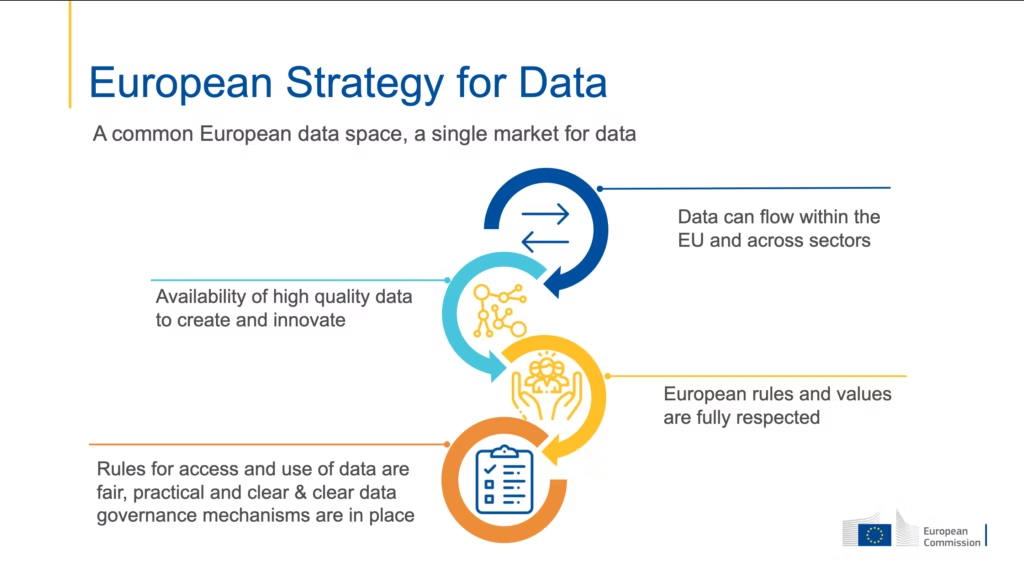
Common European data spaces are being developed in 14 strategic sectors/areas to facilitate the safe exchange and re-use of data.
Role of data spaces in X City
Data spaces are shared ecosystems where different organizations and institutions exchange and use data in a secure and structured way. This collaboration is essential for:
- Urban planning : Analysis of traffic, environmental, and demographic data helps optimize infrastructure and resources.
- Healthcare : The unification of medical data facilitates early diagnosis, personalized treatment, and effective management of healthcare services.
- Transport : The integration of data from different transport systems improves coordination and provides better services to citizens.
- Cultural and historical heritage and tourism : The digitization of cultural sites and events enriches the tourist experience and promotes heritage preservation.
- Festivals and entertainment : Analysis of audience preferences and logistical data helps to better organize and attract a larger audience.
Need for policies and standards
For data spaces to function effectively, it is essential to develop:
- Access policies : Setting clear rules for who can access and use data and under what conditions.
- Interoperability standards : Establishing common technical standards that allow for seamless data exchange between different systems and platforms.
- Principles for ownership and ethical data sharing : Defining the rights and responsibilities of data owners, as well as ensuring their ethical use, with an emphasis on the protection of personal data.
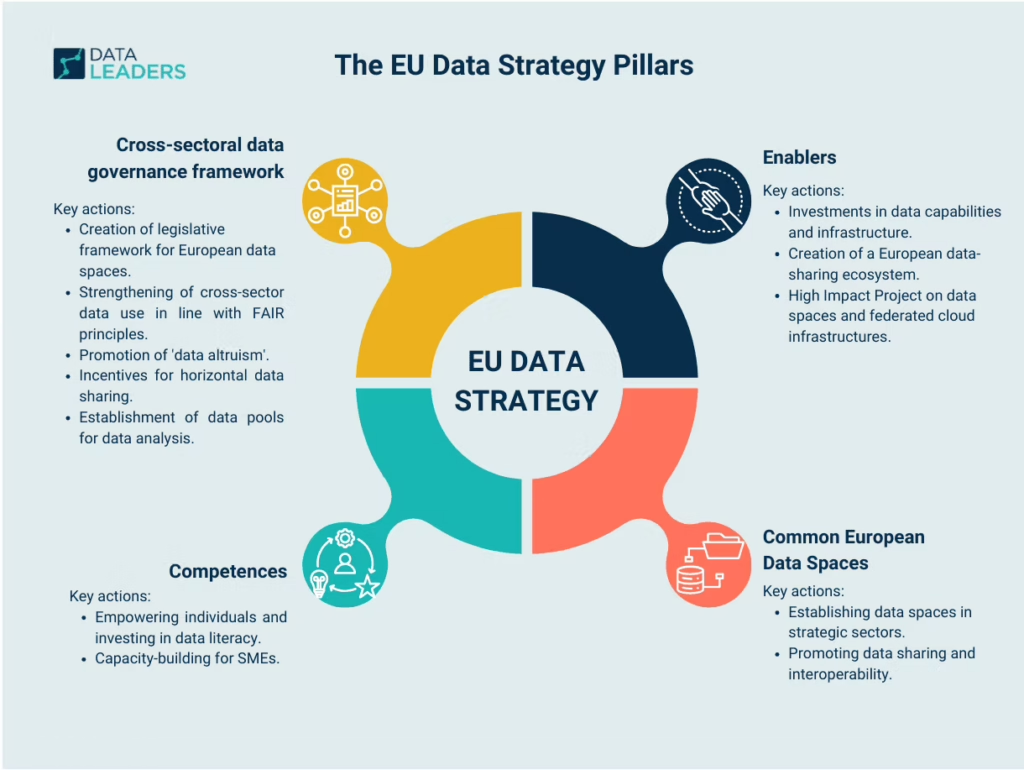
What’s next? In 2025, the development of data spaces will continue with EU support, with the aim of creating a connected and competitive European data market . This will foster innovation and sustainable development across Europe.
Good practices from Living-in.eu
The Living-in.eu initiative provides a platform for the exchange of experiences and good practices between European cities. Some of the recommendations useful for municipalities include:
- Creating local coalitions : Bringing together diverse stakeholders to jointly develop and implement data management strategies.
- Invest in training : Increasing the competence of employees and citizens on the meaning and use of data.
- Piloting : Testing new solutions on a small scale before widespread implementation, allowing for evaluation of effectiveness and adjustments as needed.
In conclusion
The development of data spaces is essential for the transformation of cities into smart and sustainable environments. Through collaboration, clear policies and the active participation of all stakeholders, we can achieve a better quality of life and sustainable development for our communities and X City – the cities of the future.
Leave a Reply