
Social Capital: The Catalyst for Growth and Success of Startups
In today’s dynamic business environment, startups face multiple challenges – from limited resources to fierce competition and ever-changing market conditions. In this context, social capital becomes one of the most valuable assets that can not only facilitate daily business processes, but also accelerate long-term growth and innovation.

Social capital as a company asset
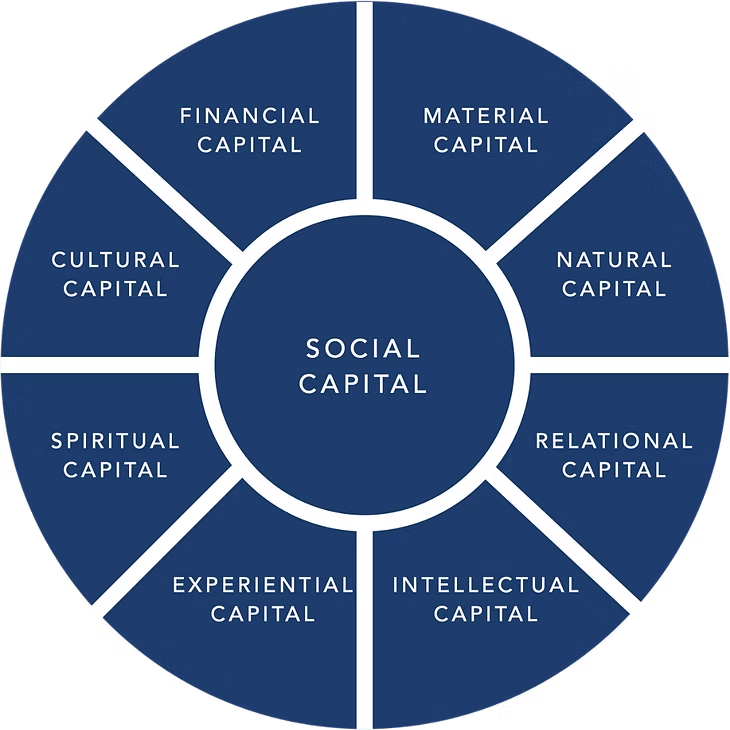
Social capital is the network of relationships, connections, and interactions that an organization builds both internally and with its external stakeholders. For startups, which often operate with limited financial and material resources, this asset becomes a key factor in achieving competitive advantage. Investing in social capital allows the organization to benefit from mutual support, share knowledge and experience, and open doors to new opportunities for collaboration and funding.
Key elements of social capital for a startup organization
1. Networks and connections
- Professional Networks: Connecting with industry experts, potential customers, partners, and investors is essential for startups. These connections not only provide access to important resources, but also allow for the exchange of ideas and best practices.
- Communication channels: Building effective communication platforms – be it through social networks, professional forums, or specialized events – facilitates the process of interaction and collaboration.
2. Mutual trust and norms
- Trust: Creating and maintaining trusting relationships with partners, customers, and employees is fundamental to the successful development of any organization. Trust reduces transaction costs and stimulates faster decision-making.
- Common norms and values: Shared ethical standards and values strengthen bonds within the organization, providing a solid foundation for mutual respect and long-term cooperation.
3. Mutual aid and cooperation
- Collaboration: Fostering a culture of sharing knowledge and experience leads to more effective problem solving and faster adaptation to market changes.
- Support: Mutual assistance – both within the organization and with external partners – facilitates the process of making critical decisions and addressing challenges.
Benefits of social capital for startups
1. Access to resources
- Financial resources: By establishing contacts with investors and financial institutions, startups can secure the necessary funds to develop and expand their operations.
- Knowledge and information: The ability to exchange expertise and up-to-date data significantly increases the competitiveness and effectiveness of the organization.
2. Accelerating innovation
- Co-innovation: Strong relationships with partners and customers open up opportunities for joint development of innovative projects and technologies.
- Early access to technology: Social capital allows startups to stay abreast of the latest trends and technological innovations, giving them a strategic advantage in the market.
3. Improving reputation
- Strengthening trust: Building stable and reliable relationships leads to increased trust in the brand and the company’s reputation.
- Marketing and Promotion: Positive recommendations and reviews from existing connections become a natural marketing tool, attracting new customers and partners.
4. Increasing resilience
- Adaptability: In the face of rapid market changes and unpredictable crises, support from the network of connections allows the startup organization to respond quickly and effectively.
- Risk management: Shared experience and resources provided through social capital help minimize risks and better plan future strategies.
Strategies for building and maintaining social capital
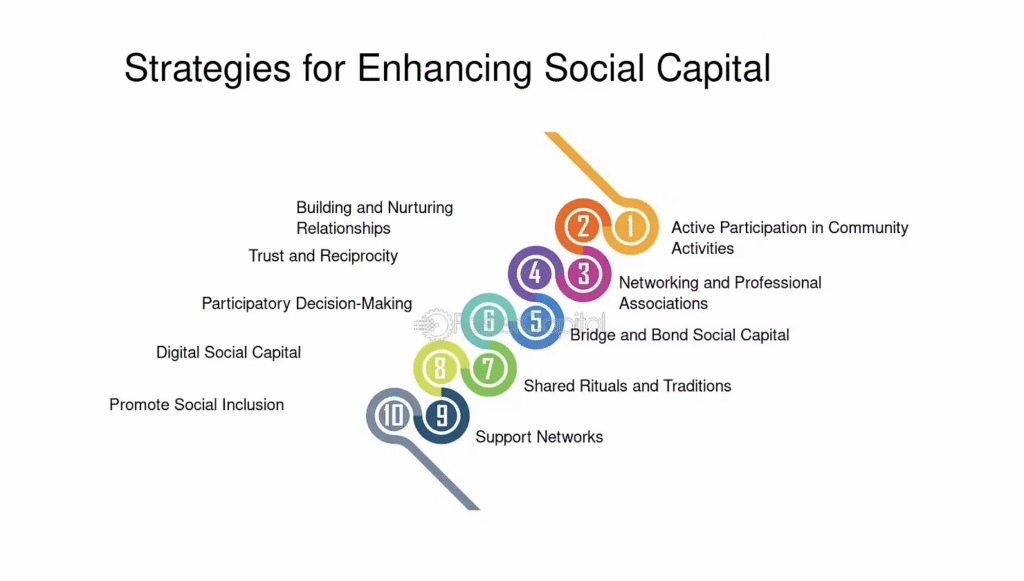
1. Active networking
- Participation in events: Attending industry conferences, seminars, and specialized networking events provides an opportunity to meet key players in the industry.
- Online platforms: Using social media and professional networks like LinkedIn is an indispensable tool for expanding contacts and exchanging ideas.
2. Cooperation and partnerships
- Joint projects: Joint project initiatives with other organizations, universities, and research institutes not only stimulate innovation but also strengthen industry ties.
- Clusters and associations: Membership in professional associations and industry clusters provides a structured platform for the exchange of knowledge and experience.
3. Maintaining relationships
- Regular communication: Constant communication with key partners and network participants ensures the maintenance of stable and effective relationships.
- Organizing events: Creating internal and external events, workshops or seminars can significantly strengthen social capital by providing opportunities for direct exchange and interaction.
4. Building trust
- Transparency and Ethics: Maintaining high standards of transparency in business practices is key to building trust. Shared values and ethical norms should be at the forefront of every initiative.
- Quality and reliability: Consistency in providing quality products and services contributes to the formation of a positive image and strengthening long-term relationships.
In conclusion
Social capital is not just an abstract concept, but a vital asset for any startup seeking sustainable growth and innovation. Building strong and trusted networks enables rapid access to resources, accelerates innovation processes, and improves the company’s reputation. In today’s competitive market, investing in social capital is an investment in the future of the business. By actively networking, collaborating, and maintaining transparent and ethical relationships, startups can turn social capital into a powerful tool for overcoming challenges and achieving long-term success.
Leave a Reply