
Stara Zagora: X City – City of the Future. Is it possible? Part Four (4)
Every dream can begin with a question. The right question. Be realistic – dream the impossible!
Dreams often hide behind the courage to ask the right questions and to seek the answers.
Can Stara Zagora be transformed into X City – City of the Future, and be established as a high-tech hub for drone aviation?
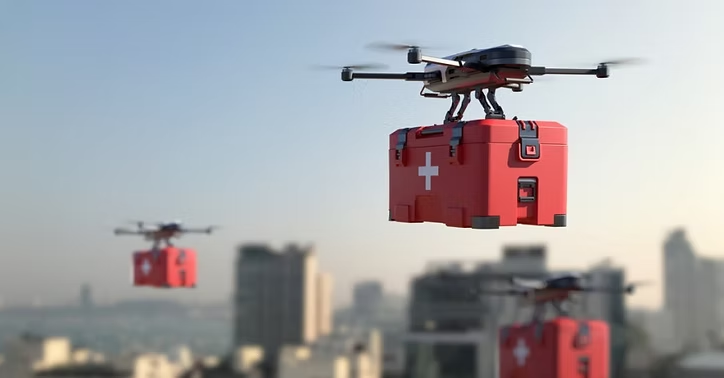
The presence of the old airport in Stara Zagora provides an excellent starting point for transforming the region into a technological hub for drones and aviation. This could serve as the foundation for obtaining a European license for drone flights and management, as well as for the development of related activities.
Here’s how this can be achieved:
1. Restoration and modernization of the airport
- Renovation of infrastructure: Upgrading runways, hangars, and control towers to comply with EU air safety standards.
- Installation of modern technologies: Autonomous flight management systems, communication systems, and drone charging stations.
- Creation of a specialized testing zone: Designating an area for drone test flights that meets international standards.
2. Obtaining a European license
- Certification from EASA (European Union Aviation Safety Agency): ○ Development of safety and operational standards for drones in line with EASA regulations. ○ Establishing a system for training and certification of drone pilots, including flight simulators.
- Partnership with European institutions: Collaboration with agencies, universities, and companies for joint development of technologies and processes.
- Demonstration of safety and efficiency: Conducting pilot programs for the commercialization and industrial applications of drones.
Requirements for a drone aviation license in the EU and exploration of the potential to transform Stara Zagora Airport
1. Regulatory framework for drones in the European Union
Drone operations within EU territory are regulated by the European Union Aviation Safety Agency (EASA), which introduces unified rules for safety and licensing. Key requirements:
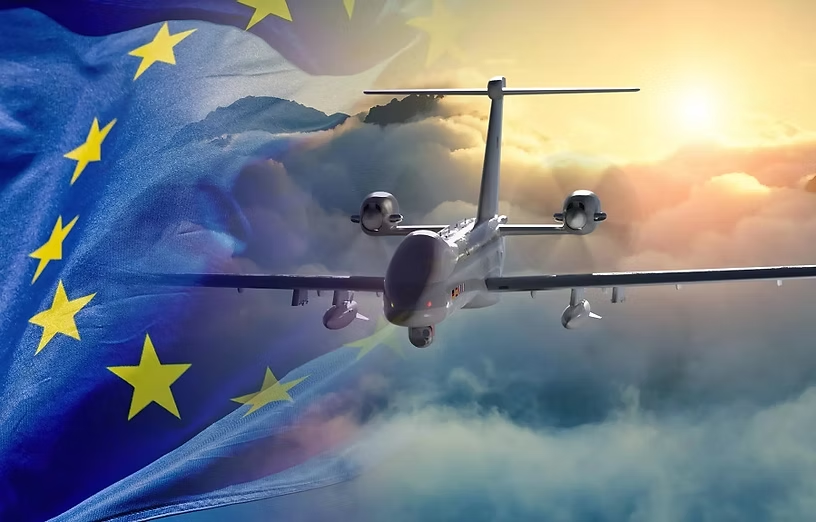
- Classification of operations:
- a. Open category: Safe operations with small drones (up to 25 kg), without the need for a specific license, but requiring operator registration and training.
- b. Specific category: For more complex and risky operations (e.g., over populated areas or cargo transport), requiring special authorization.
- c. Certified category: For operations with a high degree of risk (passenger transport, large drones), requiring certification similar to manned aviation.
- Registration of the operator and the drone: Any device over 250 grams must be registered, as well as all drones equipped with cameras.
- Training and certification of pilots: Operators in the specific and certified categories must undergo training and hold the appropriate license.
- Flight planning and airspace management: Introduction of U-Space – a framework for integrating drones into existing airspace using digital platforms for management and control.
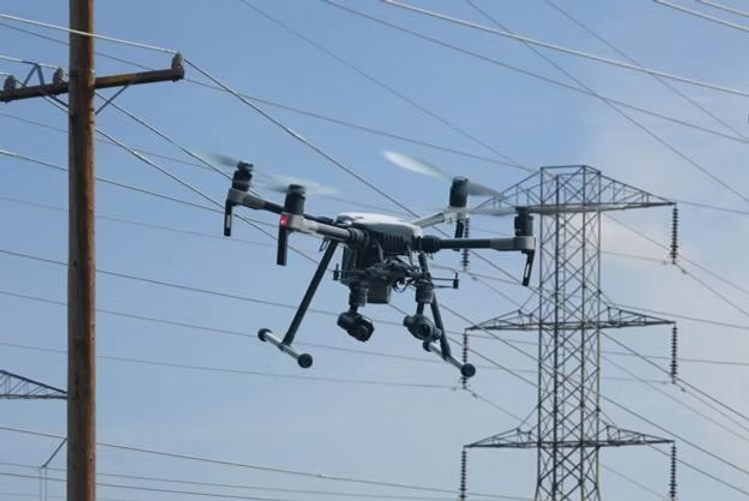
2. Potential for transforming Stara Zagora Airport
The old airport in Stara Zagora could be modernized and transformed into a center for drone management and innovations in the field of unmanned aviation.
Opportunities include:
A. Airport licensing
- Transformation into a U-Space certified hub for drone management, in compliance with EASA standards.
- Installation of airspace control infrastructure for drones, including UTM (Unmanned Traffic Management) systems.
- Creation of drone testing zones (test corridors) for startups, companies, and R&D activities.
B. Technical infrastructure
- LoRaWAN network: A regional low-energy consumption network suitable for transmitting data from IoT devices, sensors, and drones.
- 5G infrastructure: High-speed communication network for real-time control.
- Establishment of technical laboratories for the development and testing of new drone technologies.
C. Business opportunities
- Partnerships with Bulgarian startups like Dronamics, leaders in drone cargo delivery, to jointly develop a logistics hub, as well as with European leaders such as France’s Parrot and the U.S.-based DraganFly.
- Attracting international companies for drone manufacturing and R&D.
- Providing space for simulations, training, and certification of drone operators.
3. Building a national and international image
- Organizing international exhibitions and conferences on drones and aviation.
- Promoting Stara Zagora as a “hub for innovation and drone technologies in Southeast Europe.”
- Developing a strong brand that will attract talents and companies worldwide.
Conclusion
What today may look like a dream could tomorrow become a reality, as long as we dare to think big and act strategically.
Perspective is the bridge between inspiration and action. With vision, the right partners, and technological innovation, the dreams of transforming cities and our daily lives become not just possible, but inevitable.
Great ideas, in every city of the future, begin with small steps – but lead to giant changes.
Leave a Reply