
Updated: 30.01.2025
Stara Zagora: X City – City of the Future. Is it possible? Part Three (3)
Every dream can begin with a question. The right question. Be realistic – dream the impossible!
Dreams often hide behind the courage to ask the right questions and to seek the answers.
Can Stara Zagora be transformed into X City – City of the Future and be established as a high-tech hub for drone aviation?
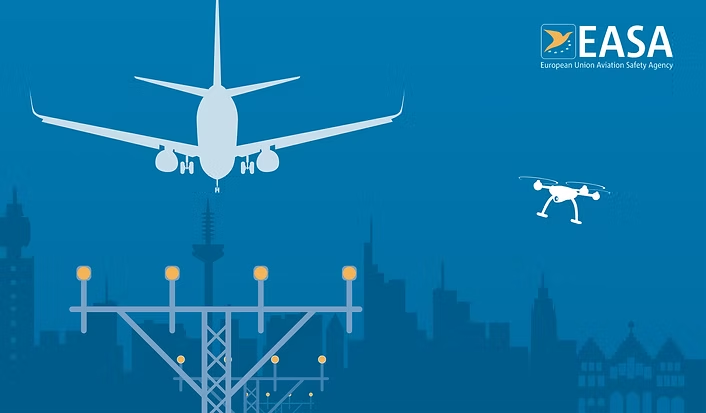
The use of drones in the cities of the future and their personalization for households and smart homes within the European Union (EU) requires taking into account several key trends and potentials. Here is what you need to know…
1. Integration with smart cities
- Drones for logistics and deliveries: ○ Companies like Amazon and UPS are already testing drone deliveries in urban environments. ○ The EU is considering “drone corridors,” where air traffic will be safely managed, for example in cities like Hamburg and Barcelona.
- Monitoring and infrastructure management: ○ Drones could inspect bridges, roads, power lines, and sewage systems. ○ They will collect real-time data, enabling faster identification of problems.
2. Regulation and standardization
- European Union Aviation Safety Agency (EASA): ○ The EU is working on a regulatory framework for the safe and large-scale integration of drones in civilian and commercial sectors. ○ By 2026, the creation of a unified system for drone air traffic management – U-Space – is expected.
- Data protection: ○ The integration of drones into cities requires strict compliance with GDPR, especially when monitoring and collecting data.
3. Applications for households and smart homes
- Home security: ○ Drones integrated with security systems could patrol around properties and detect suspicious activities.
- Personalized services: ○ Autonomous drones could deliver goods directly to homes, including food, medicine, and daily necessities.
- Home maintenance and management: ○ Drones could inspect roofs, chimneys, and other hard-to-reach areas for potential damage.
- Entertainment and convenience: ○ Interactive drones for entertainment or visual recording of important family events.
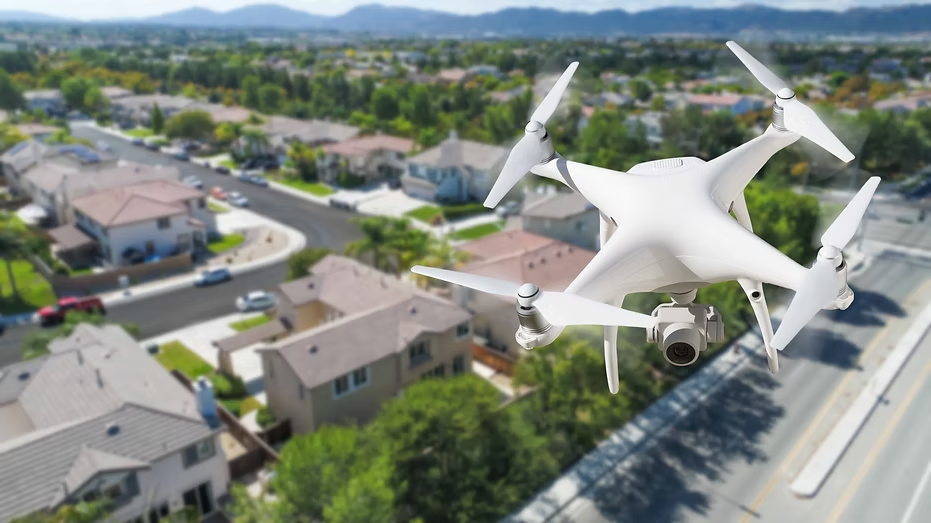
4. Sustainability and Environmental Impact
- Eco-friendly transport: • Drones can reduce car traffic for small deliveries, leading to fewer carbon emissions.
- Solar charging and green technologies: • Integrating drones with renewable energy sources (e.g., solar charging) will make their use even more eco-friendly.
5. Education and Social Adaptation
- Training and certification: • Developing training programs for drone operators will be key to adapting to the new technology.
- Social adaptation: • Public acceptance of drones will depend on their safety, efficiency, and minimizing noise in urban environments.
6. Future Perspectives
- Drones in healthcare: • Deliveries of organs, medicines, and emergency aid by drones will expand within the EU.
- Drone taxis: • Personal air transport technologies, already being tested in cities like Paris, could become a reality by 2030.
- Growth of the drone economy: • By 2030, the EU projects that drones will generate an annual economic contribution of over €15 billion, creating more than 100,000 jobs.
Conclusion
The European Union is actively working on integrating drones into daily life through regulations, innovations, and investments in smart cities. Their role will be crucial for sustainable development, offering new opportunities for households and the cities of the future.
Leave a Reply