
Updated: 30.01.2025
Stara Zagora: X City – City of the Future. Is it possible? Part Two (2)
Every dream can begin with a question. The right question. Be realistic – dream the impossible!
Dreams often hide behind the courage to ask the right questions and to seek the answers.
Can Stara Zagora be transformed into X City – City of the Future and be established as a high-tech hub for drone aviation?
The presence of the old airport in Stara Zagora provides an excellent starting point for transforming the region into a technological center for drones and aviation. This could serve as the foundation for obtaining a European license for drone flights and management, as well as for the development of related activities.
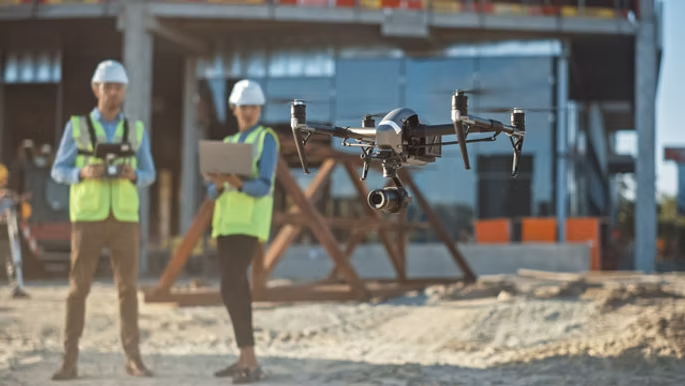
Forecasts for drone development in the coming years are impressive and highlight their significant potential across various sectors.
According to data from 2014, in the USA about 25,000 drones were sold monthly, and by 2025 the number of jobs related to drones is expected to exceed 100,000. In Europe, forecasts suggest that by 2050, around 150,000 jobs related to drone operator services will be created.
In addition, drones are expected to play a key role in the cities of the future, providing innovative solutions for transport, logistics, and surveillance. In Spain, for example, “vertiports” are already being developed – specialized facilities for vertical take-off and landing of electric drones, which will be integrated into urban infrastructure. This underlines the growing role of drones in urbanized areas and the need for cities to adapt to new technologies.
These trends show that investments in drone-related infrastructure and technologies could bring significant economic and social benefits. With its strategic location and the presence of an old airport, Stara Zagora has the potential to become a pioneer in this field, creating a high-tech hub for drones and aviation.
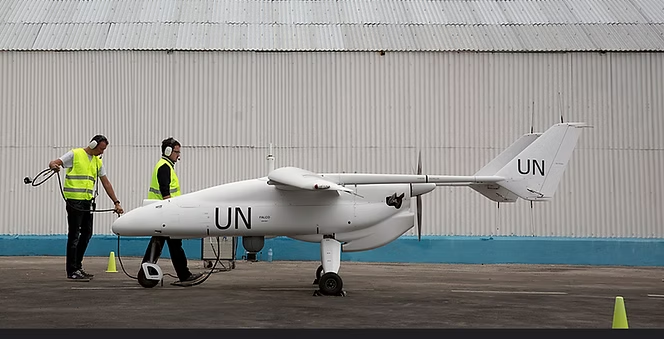
The development of the drone industry in Europe and the European Union (EU) has made significant progress in recent years, with expectations for even greater growth in the next decade.
Here are some current examples, statistics, and forecasts:
Current Status and Trends
- Increased drone usage: The use of unmanned aerial vehicles (UAVs) has grown significantly, especially after the conflict in Ukraine. This creates opportunities for startups such as the German company Helsing, which recently unveiled its intelligent strike drone HX-2.
- Growth in defense spending: Defense spending in Europe is expected to reach €326 billion in 2024, with a significant portion allocated to drone technologies.
Forecasts for the next 10 years
- Doubling of global drone expenditures: According to forecasts, global spending on drones will double over the next decade, strongly influencing the European market.
- Integration across sectors: Drones are expected to be increasingly integrated into sectors such as logistics, agriculture, infrastructure monitoring, and public safety.
Best practices and initiatives
- Support for startups: European startups like Helsing show that successful entry into the drone market is possible without cooperation with large defense companies, which fosters innovation and competition in the sector.
- Government investments: European governments are increasing investments in drone technologies, recognizing rapid advancements, offering opportunities for tech specialists, and addressing the need to modernize defense capabilities.
These trends and initiatives highlight the significant potential of the drone industry in Europe and the need for strategic investments and support for innovation in this sector.

The development of the drone industry is a global trend that spans different regions of the world. In addition to the already mentioned examples from Europe and the USA, here are some current statistics, forecasts, and best practices from other parts of the world:
Asia-Pacific Region
- China: China is a leading manufacturer and consumer of drones. According to 2019 data, the Chinese drone industry was valued at over $9 billion, with expected annual growth of 60% in the coming years. DJI, based in Shenzhen, controls about 70% of the global consumer drone market.
- Japan: Japan is actively integrating drones across various sectors, including agriculture, logistics, and infrastructure monitoring. In 2018, the Japanese government announced plans to create “drone corridors” for deliveries in rural areas to address depopulation and labor shortages.
Middle East
- United Arab Emirates (UAE): The UAE is a pioneer in using drones for government and commercial purposes. In 2017, Dubai launched a drone taxi initiative, and in 2020 announced plans to integrate drones into delivery and public safety systems.
Africa
- Rwanda: Rwanda is one of the first countries in the world to introduce a national drone delivery system for medical supplies. Since 2016, drones have delivered blood and vaccines to remote areas, significantly reducing delivery times and saving lives.
Latin America
- Brazil: Brazil uses drones in agriculture for crop monitoring, precision farming, and pest control. In 2019, the Brazilian agricultural drone market was valued at about $200 million, with forecasts for significant growth.
Australia
- Australia: Australia is among the leading countries in drone use for environmental monitoring, wildfire management, and wildlife observation. In 2020, the Australian government invested significant funds in drone technology development programs aimed at improving disaster response and natural resource management.
Conclusion
These examples and statistics highlight the global growth and diverse applications of drones across industries. Investments in infrastructure, regulation, and education related to drone technologies can generate significant economic and social benefits for the regions that adopt and develop them.
Leave a Reply